Are aligners suitable for your teeth? Here are the advantages and limitations…

Clear aligners are currently one of the most popular ways to straighten teeth. They are nearly invisible, comfortable, and easy to remove. However, although aligners offer many advantages for a lot of patients, they are not always the best choice for everyone.
Discover here when aligners are ideal, where their limitations lie, and why a professional orthodontic analysis remains essential.
# What exactly are aligners?
Aligners are transparent, custom-made plastic trays that you wear over your teeth. Aligners from brands such as Invisalign, ClearCorrect, and OrthoGroep gradually straighten your teeth by applying gentle, controlled pressure.
You typically wear each aligner or set of aligners for 20 to 22 hours per day and switch to a new set every 1 to 2 weeks. This way, your teeth gradually move according to a digital treatment plan.
In short: aligners are an invisible orthodontic appliance that gradually moves teeth without metal brackets or wires.
# Why do so many adults choose aligners?
Aligners are particularly popular among adults for the following reasons:
- nearly invisible
- comfortable to wear
- removable during meals
- make brushing and flossing easier
- cause little irritation to lips and cheeks
- perfectly suited to a professional or social lifestyle
For those looking for a discreet solution, aligners are often a logical first choice.
# Which dental problems can aligners effectively correct?
Aligners usually work very well for:
- slightly crooked teeth
- crowded teeth
- small gaps between teeth
- mild overbite or underbite
- slightly rotated teeth
- teeth that have shifted after previous orthodontic treatment
For mild to moderate corrections, aligners are often very predictable and aesthetically appealing.
# When are aligners less suitable?
This is the most important question patients should ask themselves.
Aligners are not always the best solution for:
- severe misalignment
- major bite issues
- open bite
- strongly rotated teeth
- complex jaw problems
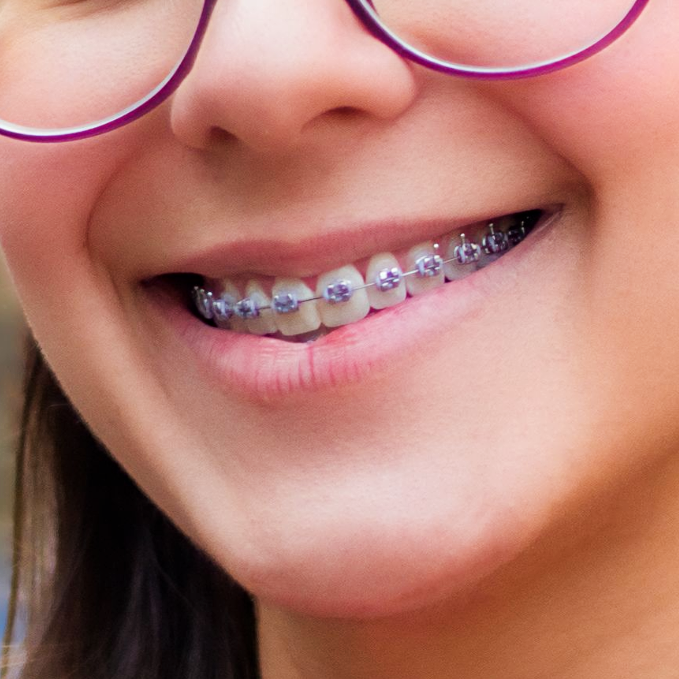
In such cases, fixed braces often provide more control and precision. Traditional braces can perform certain tooth movements more easily and reliably.
Important: the popularity of aligners does not automatically mean they are the best solution for your teeth.
# The success of aligners strongly depends on your discipline
Aligner treatment only works well if you wear them correctly and consistently.
Because they are removable, the outcome strongly depends on your daily discipline. If you wear them less than 20 hours per day, teeth may not move effectively, which can delay the treatment.
That is why aligners are especially suitable for patients who:
- carefully follow wearing instructions
- can maintain a consistent routine
- are motivated to wear them daily
# How long does aligner treatment take?
Aligner treatment typically lasts between 6 and 24 months, depending on:
- the severity of misalignment
- your bite
- the desired aesthetic correction
- how consistently you wear the aligners
- whether additional refinement stages are needed
In more complex cases, extra aligners may be required to perfect the result. This is completely normal.
# Aligners or fixed braces: which is better?
The best choice depends on your specific situation.
An orthodontist will assess:
- the position of your teeth
- your bite
- the position of your jaws
- the complexity of the tooth movements
- your aesthetic expectations
- your discipline in wearing aligners
For some patients, aligners are ideal. For others, fixed braces provide faster, more stable, or more precise results.
# Not sure if aligners are right for you?
That is completely normal. Many patients wonder whether clear aligners can deliver sufficient results.
The right choice does not depend on what is popular, but on your teeth, your bite, and your personal expectations. That is why a professional analysis is always the best first step.
_________________________________________________
# Frequently asked questions about aligners
Are aligners as effective as fixed braces?
Yes, for mild to moderate corrections, aligners can achieve results comparable to fixed braces.
For more complex problems, fixed braces usually offer more control.
Can everyone start aligner treatment?
No, not everyone is an ideal candidate.
Aligners work best for mild to moderate corrections. For more complex dental or bite issues, fixed braces may be more effective.
Do aligners hurt?
Aligners generally do not cause real pain, but you may feel pressure or sensitivity during the first few days after switching to a new set.
This is normal - it means your teeth are moving.
How many hours per day should you wear aligners?
For optimal results, aligners should be worn 20 to 22 hours per day.
You should only remove them to eat and to brush your teeth.
How long does aligner treatment usually take?
On average, between 6 and 24 months.
The exact duration depends on the misalignment, your bite, your discipline, and any additional refinement sets.
What are the main advantages of aligners?
The biggest advantages of aligners are that they are:
- nearly invisible
- comfortable
- removable during meals
- easier to clean than braces
- ideal for adults seeking a discreet treatment
What are the limitations of aligners?
Aligners have limitations mainly in case of:
- complex bite problems
- severe misalignment
- significant rotations
- vertical tooth movements
- patients who do not wear them consistently
Are aligners suitable for adults?
Yes, aligners are especially popular among adults because they are nearly invisible and fit perfectly into a busy social and professional lifestyle.
Do aligners get faster results than braces?
Generally not.
For simple cases, they can be just as fast or sometimes faster. For more complex treatments, fixed braces are usually more efficient.
Which is better: aligners or braces?
There is no universal winner. The best choice depends on your specific teeth, bite, jaw position, discipline, and aesthetic preferences.
_________________________________________________
Conclusion: aligners are great, but not for everyone
Aligners are a modern, comfortable, and aesthetic way to straighten teeth.
However, clear aligners also have their limits. The best results are achieved when the treatment is tailored to your teeth, your bite, and your expectations.
OrthoGroep Opdebeeck & Preda can also offer a 'hybrid' treatment in complex situations. This approach starts with a relatively short phase using fixed appliances to efficiently correct more difficult orthodontic issues, followed by aligners to refine and optimize the result. This combination allows for both efficiency and aesthetics, leading to an optimal final result for you as a patient.
Curious whether aligners are suitable for your teeth? During an initial consultation, we assess your teeth, discuss the options, and provide honest advice about aligners or other types of braces.
Book your appointment and discover which treatment will give you your best smile!