Manual or electric toothbrush with braces?
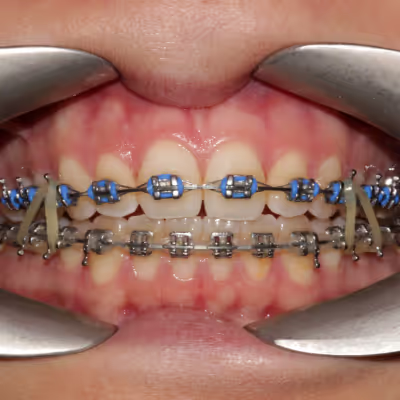
When you wear braces, good oral hygiene is more important than ever. This applies to all types of braces. With the commonly used bracket braces, however, the brackets and wires create extra challenges, allowing food particles and plaque to build up more easily.
Many patients therefore wonder: 'Is it better to use a manual or an electric toothbrush with braces?'
# Why is the right toothbrush important when wearing braces?
Wearing braces increases the risk of:
- plaque and tartar
- white spots around the brackets (enamel demineralisation)
- inflamed gums (red, swollen or bleeding easily)
- bad breath
Your choice of toothbrush determines how effectively you can clean around brackets, wires and hard-to-reach areas.
Both manual and electric toothbrushes can be used with braces. However, it is important to consider the specific characteristics of each type.
# Electric toothbrush with braces: the benefits
Orthodontists often recommend electric toothbrushes, and for good reason:
- More thorough cleaning > Electric toothbrushes vibrate or rotate faster than manual movements, making it easier to remove plaque and food particles, even around brackets.
- Easier to use > You don’t need large brushing movements - the brush does most of the work. This is especially helpful for children or teenagers who tend to brush too quickly.
- Pressure sensor prevents damage > Some toothbrushes alert you when you apply too much pressure, helping to prevent damage to your braces or gums.
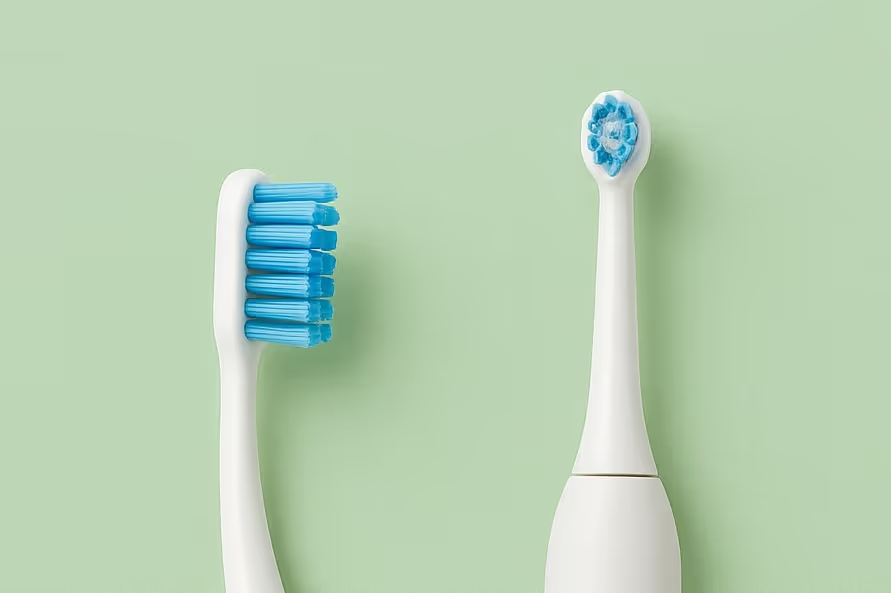
- Small brush heads > There are special orthodontic brush heads designed for precise cleaning around brackets.
# When is a manual toothbrush a good option?
A manual toothbrush can also be effective, provided you pay attention to the following points:
- Medium bristles > Always choose a medium toothbrush. It offers better cleaning power than soft bristles while still protecting enamel and gums, unlike hard toothbrushes.
- Small brush head > This makes it easier to clean around brackets and wires.
- Proper technique is crucial > With a manual toothbrush, brushing must be very precise:
- hold the brush at a 45° angle towards the gums
- use small, short vertical movements, from the gum line towards the tooth
- pay special attention above and below the wire
A manual toothbrush works well but requires more time, better technique and greater discipline.
# What do our orthodontists recommend?
If you follow the guidelines above, both types of toothbrushes can ensure good oral hygiene.
However, due to overall comfort and ease of use, we generally recommend choosing an electric toothbrush. An electric toothbrush:
- cleans more effectively
- is easier to use
- reduces the risk of gum problems
- helps minimise plaque build-up around brackets
The best choice always depends on your brushing technique and personal preference. The most important rule remains: brush at least twice a day for two minutes.
______________________
Extra tips for optimal dental care with braces:
- Use interdental brushes to clean between wires and brackets
- Rinse with a fluoride mouthwash if needed
- Avoid sticky and sugary snacks
- Have your teeth professionally checked at least once a year (preferably every six months)
Read more here about how to properly maintain each type of braces.
_________________________
Conclusion: manual or electric toothbrush with braces?
In terms of ease of use, thoroughness and results, an electric toothbrush is generally the best choice for people with braces. However, with the right technique and sufficient time, a medium manual toothbrush can also be effective.
Whichever you choose, a suitable toothbrush is essential to keep your teeth healthy throughout orthodontic treatment.