'Why doesn’t my health insurance fund cover all the costs of braces?!'
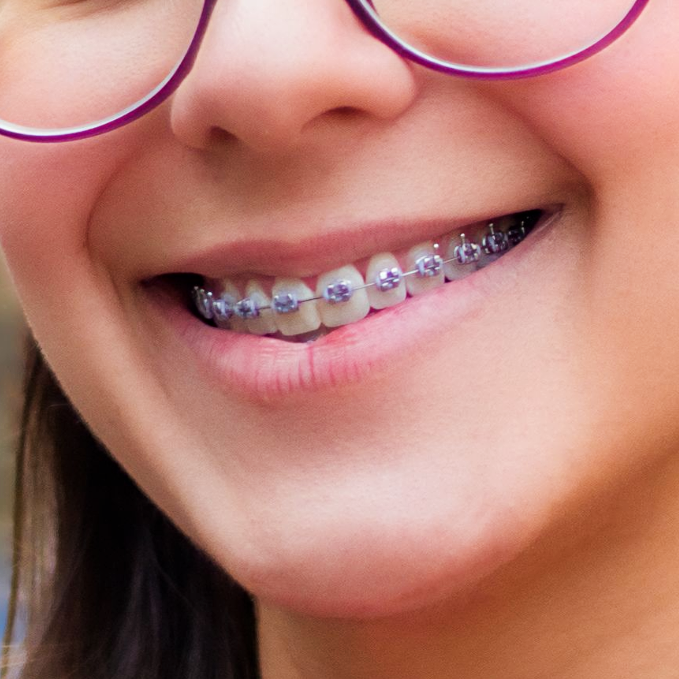
‘Braces cost thousands of euros. So why do we only get a small amount back from our health insurance fund?’
This is a question many parents ask when their child starts orthodontic treatment (or is already undergoing treatment). After all, the bill for braces includes much more than the appliance itself: examinations, fitting, check-ups, adjustments, any additional appliances and follow-up care.
However, reimbursement by your health insurance fund is not calculated as a percentage of the total price of the entire treatment.
And this is precisely where confusion often arises.
In Belgium, there are several forms of reimbursement for orthodontic treatment. There is the statutory health insurance system, for which the rules are determined by the National Institute for Health and Disability Insurance (RIZIV/INAMI), and health insurance funds may also offer their own additional benefits. On top of this, additional dental insurance may potentially cover part of the costs.
The amount you ultimately receive back therefore depends on several factors. Below, we explain how the system works in broad terms.
# Why does the health insurance fund only reimburse part of the cost of your braces?
Perhaps the biggest misconception is this:
‘If my orthodontic treatment costs €4,000, shouldn’t my health insurance fund reimburse a certain percentage of that €4,000?’
That is not how statutory reimbursement works.
The statutory health insurance system works with defined services and fixed allowances. For each orthodontic service that is eligible for reimbursement, there is an amount that is taken into account under the statutory health insurance system. Reimbursement is therefore linked to the services certified by the orthodontist, rather than simply to the total invoice for the treatment.
The amount you ultimately pay may also consist of different components. The difference between the official fee and the contribution from the health insurance system is your personal share or co-payment. Any supplements that fall outside the health insurance system are also payable by the patient.
This explains why a treatment costing, for example, several thousand euros does not automatically result in reimbursement of a comparable percentage of the total amount.
# What does statutory health insurance actually reimburse?
For children and young people, an allowance from the statutory health insurance system is available under certain conditions.
A distinction is made between early orthodontic treatment and regular orthodontic treatment.
For early treatment, which must start before the 9th birthday, specific rules and fixed allowances apply. Among other things, the RIZIV/INAMI determines which treatments are eligible.
For regular treatment, an important condition is that treatment starts before the 15th birthday and is correctly reported to the health insurance fund. Statutory reimbursement consists of different fixed allowances for appliances and treatment sessions.
This does not mean that all costs are fully reimbursed if treatment starts before the 15th birthday. It means that, under certain conditions, your treatment can fall within the statutory health insurance system.
The statutory rules are also fairly complex and include exceptions and specific conditions. That is why it is important to have your personal situation confirmed by your health insurance fund.
# Why is the total cost of braces much higher than the reimbursement?
Orthodontic treatment consists of an entire treatment journey.
For example, think of:
- the initial examination and preparation of a treatment plan
- photographs and any imaging
- fitting the appliance
- regular check-ups and adjustments
- replacing or adjusting components
- any additional appliances
- follow-up after active treatment
- the retention phase
Statutory health insurance only reimburses services that fall within the applicable rules and rates. Not every euro you pay for orthodontic treatment therefore forms a separate basis for reimbursement.
In addition, amounts may be charged on top of the statutory rates. Supplements that fall outside the health insurance system are, in principle, entirely payable by the patient.
# An important distinction: statutory reimbursement versus benefits from your health insurance fund
This is where things often become even more confusing for patients.
When you talk about 'what my health insurance fund reimburses', you may actually be referring to several different things.
1. Statutory health insurance
This is the reimbursement resulting from the statutory health insurance system. The basic rules are set by the RIZIV/INAMI and apply to all health insurance funds.
For orthodontics, there are specific age limits, conditions and fixed allowances. For example, regular orthodontic treatment must in principle start before the 15th birthday in order to qualify for the statutory allowance.
2. An additional benefit from your health insurance fund
Many health insurance funds also offer their own orthodontic benefits to their members.
This additional allowance is not the same as statutory reimbursement. The conditions, amounts and calculation methods can differ from one health insurance fund to another.
For example, some health insurance funds offer a fixed additional allowance, while others work with a percentage of certain costs or a maximum amount.
As an example: Solidaris Vlaanderen currently (as of August 2026) states that it offers an additional allowance for orthodontic treatment for children and young people of up to €1,050 on top of the statutory reimbursement. Helan also states that it offers a benefit of up to €1,050, subject to certain conditions.
These are examples and not general Belgian amounts. Your own health insurance fund determines which additional benefits apply to you.
# Why do I sometimes only get a small amount back?
There can be several reasons for this.
For example, statutory reimbursement may only cover certain services or fixed allowances. In addition, an additional benefit from your health insurance fund may have its own maximum or specific conditions.
Another important point: reimbursement is rarely, if ever, calculated based on the amount you ultimately pay the orthodontist.
Suppose an orthodontic treatment costs €4,000 in total. This does not mean that a health insurance fund will reimburse, for example, 60% of that €4,000. The calculation may be based on the amounts and services that are eligible under the relevant scheme.
This is why the amount you receive back can seem surprisingly small compared with the total invoice.
# What if I can see a 'conventioned' orthodontist?
This can make a difference to your final costs.
A 'conventioned' healthcare provider follows the official rates agreed between healthcare providers and health insurance funds. A non-conventioned healthcare provider may, under certain conditions, charge supplements on top of these official rates. These supplements are not covered by statutory health insurance and are payable by the patient. As a result, the total bill from a non-conventioned orthodontist is often higher than that of a conventioned orthodontist.
There are still more non-conventioned orthodontists than conventioned orthodontists today.
# Can additional dental insurance cover part of the costs?
Yes, additional dental insurance can be worth considering, particularly if you know that your child will probably need extensive orthodontic treatment.
Dental insurance is separate from statutory health insurance and, depending on the policy, may provide additional reimbursement for orthodontics.
Conditions vary considerably between insurers. These may include:
- a maximum reimbursement per treatment
- a percentage of certain costs
- a waiting period
- an age limit
- conditions relating to when orthodontic treatment starts
- exclusions for treatments that were already planned or had already started before the insurance was taken out
Under some policies, the additional reimbursement can be substantial. For example, Dentalia Up from Helan currently (as of August 2026) states that it reimburses up to 60% for orthodontic treatment when treatment starts before the age of 15. Other insurance policies have different conditions.
Dental insurance is therefore not automatically worthwhile for everyone. You should weigh the premium, waiting period, conditions and maximum reimbursement against the potential cost of the treatment.
# When is dental insurance worth considering?
Dental insurance may be particularly worth considering when you insure your child at a young age and no specific orthodontic treatment has yet been planned.
Why? Because dental insurance policies often have a waiting period. You cannot always take out insurance when the orthodontist tells you that the braces will be fitted next month and then expect the entire treatment to be covered immediately.
For example: Dentalia Up currently states that it has a 12-month waiting period for orthodontics.
The exact conditions vary from one insurance policy to another.
Considering dental insurance? Before taking it out, explicitly ask how orthodontic treatment is covered under your policy.
# What should you check before treatment starts?
Because reimbursement rules are so complex, we recommend not relying solely on general information available on websites (our website either ;) ).
Ask your orthodontist for a clear overview (quotation or estimate) of the expected costs. Then ask your health insurance fund:
- Which statutory allowance applies to my situation?
- Am I entitled to an additional benefit from my health insurance fund?
- Which costs are and are not eligible for this benefit?
- Are there maximum amounts or other conditions?
- Which documents do I need to submit and when?
- What happens if the treatment continues after the age of 15?
Do you have dental insurance? Then also ask your insurance company:
- What is the maximum amount reimbursed?
- What percentage of the costs is covered?
- Is there a waiting period?
- Are there conditions regarding the age at which treatment starts?
- Are costs that were already planned before taking out the policy excluded?
Ask for a cost estimate in advance. Good preparation can prevent many financial surprises.
Before treatment starts, discuss with your orthodontist approximately how much the entire treatment will cost and which components are included.
You can then use this information to contact your health insurance fund and, if applicable, your insurer before deciding whether to start treatment.
Please note: your orthodontist can provide information about the treatment and expected costs, but only your health insurance fund and insurance company can definitively confirm your personal reimbursement entitlements!
# What if your child is already older than 15?
Here too, some nuance is important.
In order to qualify for an allowance, orthodontic treatment must be started before the 15th birthday. Before that age, at least an initial consultation with an orthodontist must have taken place. The orthodontist then submits a specific certificate to your health insurance fund so that you are already registered for a later reimbursement (i.e. after the 15th birthday). Reimbursement will in any case end no later than the 22nd birthday.
This does not mean that orthodontic treatment is impossible after the age of 15. Orthodontic treatment can also be carried out in teenagers and adults, but the financial allowance from statutory health insurance is then different or may no longer be available.
Additional benefits and dental insurance policies may also have their own age limits.
# So, does your health insurance fund fully reimburse your braces?
Unfortunately, full reimbursement is more likely to be the exception.
But that is not how statutory reimbursement is intended to work either.
The total cost of orthodontic treatment consists of different services and costs. Statutory health insurance only reimburses certain services according to legally defined rates, fixed allowances and conditions. Your health insurance fund may then offer an additional benefit, and separate dental insurance may potentially cover part of the remaining costs.
This is why the difference between what you pay for the entire treatment and what you receive back can be quite significant.
# Our main advice
Before treatment starts, do not just ask your orthodontist “How much do braces cost?” Instead, make sure you also ask your health insurance fund: 'How much can I get reimbursed in my personal situation?'
Ask your orthodontist to explain the expected costs and then contact your own health insurance fund and, if applicable, your insurance company. Based on your status, your child’s age, the treatment start date, your additional benefits and your insurance policy, they can tell you which reimbursements apply to your situation.
Because when it comes to orthodontics, one thing is certain: reimbursement is not the same for everyone.